

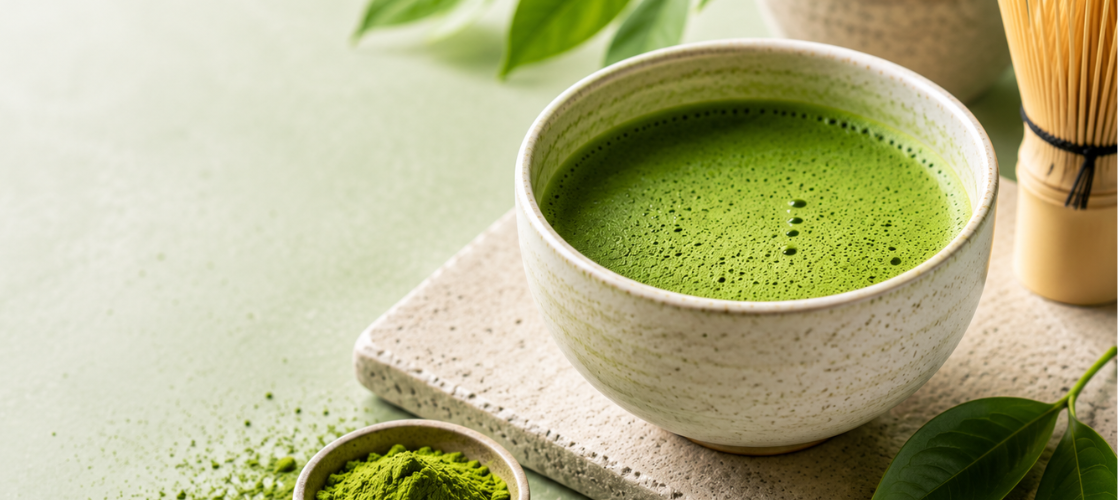
Matcha is more than just a trendy green drink; it is a time-tested wellness ingredient that brings together clean energy, rich flavor, and powerful nutrition in every sip. Made from finely ground green tea leaves, it offers a concentrated dose of antioxidants and plant compounds that can support focus, vitality, and everyday wellness. With benefits ranging from sustained energy to metabolic support, matcha has become a popular choice for beverages, supplements, and functional foods.
What is Matcha Tea?
Matcha is a finely milled powder produced from green tea leaves specially cultivated by a Green Tea manufacturer. Unlike traditional green tea, where the leaves are steeped and discarded, matcha allows you to consume the entire leaf, providing a higher concentration of beneficial nutrients. This unique preparation contributes to many well-known matcha tea benefits, including increased antioxidant intake, balanced energy levels, and versatile applications in beverages, smoothies, desserts, and nutritional formulations.
Health Benefits of Matcha Tea
Matcha combines naturally occurring catechins, chlorophyll, caffeine, and L-theanine to support multiple aspects of health. Its nutrient density makes it a valuable ingredient for consumers and product developers alike.
Antioxidant Power
One of the most recognized matcha tea health benefits prized by every tea manufacturer is its exceptional antioxidant content. Rich in matcha antioxidants, including EGCG and other matcha polyphenols, matcha helps protect cells from oxidative stress caused by free radicals. These compounds contribute to overall cellular health and have made matcha a popular ingredient in functional beverages and dietary supplements.
Cognitive Function and Brain Health
Among the leading benefits of matcha is its unique combination of caffeine and L-theanine. They promote steady alertness while encouraging a sense of calm, helping improve concentration without the sudden energy crash often associated with coffee. These properties also support matcha brain health, making it a preferred beverage during work, study, or demanding daily activities.
Cardio-Metabolic Health
Emerging research suggests that matcha may support healthy cholesterol levels, blood vessel function, and normal blood pressure. When combined with its antioxidant activity, it may also support healthy glucose metabolism and cardiovascular wellness when consumed as part of a balanced lifestyle.
Anti-Tumor Potential
Researchers continue to investigate the role of catechins such as EGCG in matcha. Laboratory studies indicate that these compounds may influence cellular processes involved in abnormal cell growth. While the findings are encouraging, matcha should not be viewed as a treatment or substitute for medical care.
Liver Protection
Studies suggest that matcha’s antioxidant compounds may help support liver health by protecting liver cells from oxidative damage and promoting normal liver function. Maintaining liver health is important for metabolism, detoxification, and overall wellness, although more human research is needed to fully understand these benefits.
Weight Management and Metabolism
Many consumers choose matcha for its potential role in weight loss. Its natural combination of catechins and caffeine may help support fat oxidation and calorie expenditure, contributing to matcha metabolism benefits when combined with regular exercise and healthy eating habits. Matcha is most effective as part of a long-term wellness routine rather than a quick weight-loss solution.
Immune and Anti-Inflammatory Support
The polyphenols found in matcha may help support the body’s natural immune response while reducing oxidative stress. These properties make matcha an attractive ingredient for wellness beverages and nutritional products designed to promote overall health.
Stress Reduction and Relaxation
Unlike many caffeinated beverages, matcha provides steady energy. Owing to its L-theanine content, it may help promote a calm yet alert state of mind. This makes matcha a preferred choice for work, meditation, or other activities that require sustained concentration.
These benefits make matcha a versatile addition to a wellness-focused lifestyle. When enjoyed regularly and in moderation, it can support energy, focus, and overall health as part of a balanced routine.
How to Choose High-Quality Matcha?
Selecting premium matcha ensures better taste, color, and nutritional value. Whether you’re purchasing for personal use or product development, these matcha quality tips can help.
- Choose matcha with a vibrant, bright green color.
- Look for a smooth, fine powder with no visible clumps.
- Select products made from young, shade-grown tea leaves.
- Avoid matcha with a dull yellow or brown appearance.
- Verify quality standards and manufacturing consistency from trusted suppliers.
For businesses searching for the best matcha tea in India or export-quality ingredients, Starlon Naturals is a Speciality Tea manufacturer supplying premium Matcha Tea Powder with standardized quality, full traceability, and reliable processing.
How to Prepare Matcha Tea
Proper matcha tea preparation helps preserve its smooth texture and rich flavor. Follow these simple steps:
- Sift 1–2 teaspoons of matcha into a bowl to remove lumps.
- Add a small amount of hot water (about 175°F or 80°C), avoiding boiling water.
- Whisk briskly using a bamboo whisk or milk frother until a light foam forms.
- Add hot water or milk to your preferred strength.
- Enjoy immediately for the best flavor and texture.
With the right preparation, matcha can deliver a smooth, energizing, and satisfying experience every time.
Practical Tips for Consuming Matcha
To maximize the benefits of matcha, keep these matcha consumption tips in mind:
- Enjoy matcha in moderation as part of a balanced diet.
- Consume it earlier in the day if you’re sensitive to caffeine.
- Pair it with nutrient-rich meals for a well-rounded routine.
- Limit added sugar in matcha beverages whenever possible.
- Store matcha in an airtight container away from light and moisture.
For consistent product formulations, manufacturers can source premium Matcha Tea Powder from Starlon Naturals, a green tea powder manufacturer.
FAQs
Does matcha contain caffeine?
Matcha naturally contains caffeine, typically more than regular brewed green tea but less than many cups of coffee. Its L-theanine content helps provide a smoother, longer-lasting source of energy.
What does matcha taste like?
Matcha has a rich, earthy flavor with natural vegetal notes, mild sweetness, and a pleasant umami finish. High-quality matcha is generally smoother and less bitter.
Can matcha help with weight loss?
Matcha may support weight management by promoting fat oxidation and metabolism when combined with regular exercise and a healthy diet. It is not a standalone weight-loss solution.
Is matcha better than regular green tea?
Both offer health benefits, but matcha provides a more concentrated source of antioxidants because the entire tea leaf is consumed rather than simply steeped.
How much matcha should I drink daily to get the benefits?
For most healthy adults, one to two servings of matcha per day is generally considered sufficient to enjoy its wellness benefits while maintaining moderate caffeine intake.

